
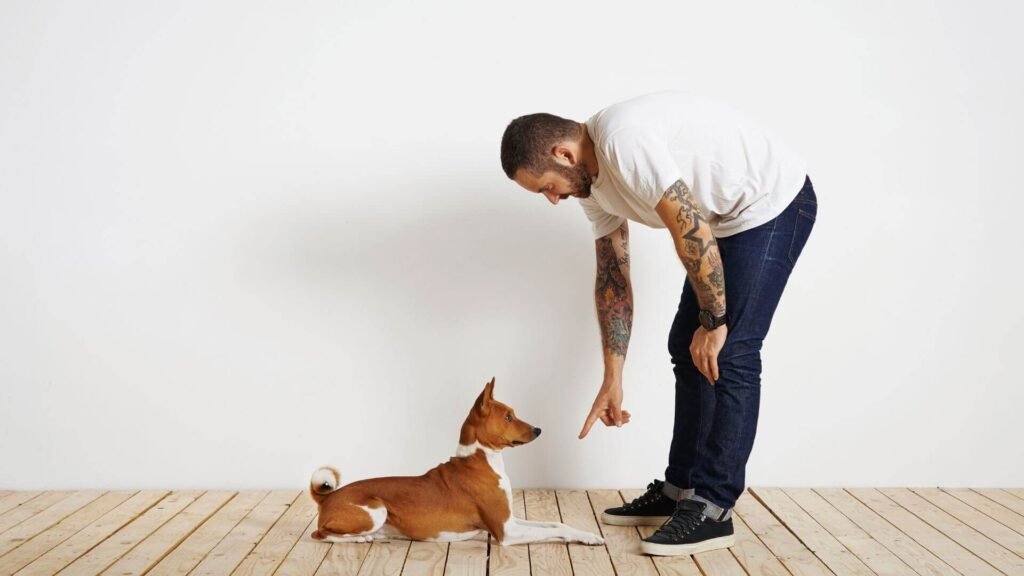
Bringing home a new puppy is an exciting experience filled with playful moments, bonding opportunities, and plenty of learning curves. One of the most common questions new dog owners ask is, “What is the best age to start puppy training?” The answer may surprise many people because effective puppy training begins much earlier than most owners realize. Starting at the right time can shape your puppy’s behavior, confidence, and obedience for years to come.
Puppies are constantly learning from the world around them, whether owners intentionally train them or not. Every interaction, routine, and experience influences how they respond to people, animals, and environments later in life. Early training helps prevent bad habits from forming while teaching your puppy how to behave appropriately in different situations.
Understanding the ideal time to begin training and what skills to focus on during each developmental stage can make a major difference in your dog’s future behavior and relationship with your family.
Puppies experience rapid mental and emotional development during the first few months of life. This stage is often referred to as a critical socialization period because puppies are highly impressionable and absorb new experiences quickly. During this time, they learn what is safe, normal, and rewarding.
Starting training early allows owners to introduce structure, boundaries, and communication in a positive way. Puppies that receive proper guidance at a young age often become more confident, obedient, and adaptable as adults. Early training also reduces the likelihood of unwanted behaviors such as excessive barking, leash pulling, jumping, biting, and anxiety.
Waiting too long to begin training can make behavior correction more difficult later. Dogs that develop bad habits without guidance may require more extensive behavior modification as they grow older. Early training creates a strong foundation that supports long-term success.
Most professional dog trainers agree that puppies can begin basic training as early as 7 to 8 weeks old. At this age, puppies are capable of learning simple commands, routines, and social behaviors. Training sessions should remain short, positive, and consistent to match their attention span and developmental stage.
Many owners mistakenly believe they should wait until a puppy is older before introducing training. However, puppies are already learning every day through observation and interaction. Delaying training means missed opportunities to shape good habits during a critical learning window.
The first few months are ideal for introducing important foundational skills such as:
Starting early does not mean using harsh corrections or expecting perfect obedience immediately. Puppy training should focus on positive reinforcement, consistency, patience, and relationship building.
Each stage of puppy development presents unique opportunities for training and socialization. Understanding these stages helps owners know what to expect and how to support healthy learning.
This is one of the most important stages for puppy training. Puppies are naturally curious and open to new experiences during this age. Positive exposure to people, sounds, environments, and other animals helps build confidence and reduces fear later in life.
Training during this stage should focus heavily on routines and positive associations. Potty training, crate training, and name recognition are especially important. Puppies can also begin learning basic commands such as sit, come, and place.
Short training sessions lasting only a few minutes are most effective. Puppies at this age have limited attention spans but learn quickly through repetition and rewards.
As puppies grow, they become more energetic and independent. This stage is ideal for reinforcing obedience skills and introducing more structured training exercises.
Leash manners, impulse control, and recall training become increasingly important during this period. Puppies may begin testing boundaries, so consistency is critical. Owners should continue exposing their dogs to different environments, people, and situations to strengthen social confidence.
This stage is also when many undesirable behaviors begin appearing, including chewing, jumping, barking, and pulling on the leash. Proper guidance during this period helps prevent these habits from becoming permanent.
Adolescent dogs often experience a temporary decline in obedience as hormones, energy levels, and independence increase. Many owners become frustrated during this phase because previously learned commands may seem inconsistent.
Continued training is essential during adolescence. Dogs still benefit greatly from structure, accountability, and routine. Advanced obedience training, public exposure, and behavior refinement can help guide dogs through this challenging stage successfully.
Patience and consistency are key. Dogs that receive ongoing training during adolescence often mature into calm, reliable companions.
Socialization is one of the most important aspects of early puppy training. Proper socialization helps puppies learn how to navigate the world confidently and calmly. Without adequate exposure during the early months, dogs may develop fear, anxiety, or reactive behaviors later in life.
Socialization involves introducing puppies to various experiences in a controlled and positive manner. This includes meeting new people, hearing different sounds, walking on unfamiliar surfaces, riding in vehicles, and observing other animals.
The goal is not to overwhelm the puppy but to create positive experiences that build confidence. Puppies that are well-socialized are generally easier to train and adapt better to new environments throughout life.
Many first-time puppy owners unintentionally create challenges by delaying training or using inconsistent methods. One common mistake is allowing behaviors during puppyhood that owners will not tolerate later. Jumping, nipping, and leash pulling may seem harmless in a small puppy but can become major issues as the dog grows.
Another mistake is relying solely on punishment rather than positive reinforcement. Puppies learn best when rewarded for desired behaviors instead of constantly corrected for mistakes. Building trust and communication creates stronger long-term results.
Inconsistency can also confuse puppies. Everyone in the household should follow the same rules, commands, and expectations to help the puppy learn more effectively.
Professional training provides structure, guidance, and expertise that many owners find valuable during the early stages of dog ownership. Trainers can identify behavior issues early, teach proper communication techniques, and customize training based on the puppy’s personality and needs.
Programs such as obedience training and board-and-train services can accelerate progress while helping owners gain confidence in handling their dogs. Professional trainers also help ensure socialization experiences are positive and productive.
Working with experienced trainers can be especially beneficial for high-energy breeds, stubborn personalities, or puppies showing signs of fear or reactivity.
Puppy training is about far more than teaching commands. It creates communication, trust, and mutual understanding between dogs and owners. Dogs thrive when they understand expectations and feel secure within structured routines.
Training also strengthens the emotional connection between owner and puppy. Positive experiences during training build confidence and encourage cooperation. The time invested in early training often results in a calmer, happier, and more obedient companion for years to come.
Every puppy has the ability to learn and succeed with the right guidance. Starting early simply gives them the best opportunity to develop healthy behaviors and confidence from the beginning.
The best age to start puppy training is much earlier than many people expect. Beginning around 7 to 8 weeks old allows puppies to learn essential skills during their most impressionable developmental stage. Early training helps prevent behavior problems, strengthens social confidence, and creates a strong foundation for lifelong obedience.
Consistent routines, positive reinforcement, and proper socialization all play critical roles in raising a well-behaved dog. While puppyhood can sometimes feel overwhelming, the effort invested during the early months can lead to years of companionship and success.
If you want professional guidance to help your puppy develop into a confident and obedient companion, Coastal K9 Academy offers experienced training programs designed to support dogs and owners through every stage of development. Their personalized approach helps create lasting results built on structure, communication, and trust.

Coastal K9 Academy is a hands-on dog training business based in Virginia Beach/Coastal Virginia serving pet owners in Currituck County NC and Hampton Roads VA with real-world canine help driven by experience and grit. Founded by a trainer with K9 handling background, Coastal K9 Academy focuses on teaching owners how to talk dog-language, work with basic obedience to more serious behaviors, and build calmer, more reliable pups through structured sessions, board-and-train programs, day training, aggression packages, and consults - plus free evaluations to get started.