
Slip leads are one of those dog-walking tools that can cause a lot of debate.
Some dog owners swear by them because they’re quick, simple, and easy to carry around. Others worry about the pressure they can put on a dog’s neck.
So, are they actually bad for dogs?
They can be, but it depends a lot on how they’re used, the dog wearing one, and the situation.
In this post, we’ll shed some light on if slip leads are bad for dogs, when they are useful, and some alternatives that may work better for your dog.
Slip leads are not inherently bad, but they carry high risks when used as everyday walking gear.
Because the loop tightens directly around a dog’s throat under tension, persistent pulling or sudden lunging can cause severe injuries.
They serve a valid purpose for quick, temporary handling in shelters, vet clinics, or field trials.
However, for regular daily strolls, a front-clip harness or standard flat collar is far safer, protecting sensitive airways while encouraging gentle, stress-free leash manners without the hazard of choking.
Also Read: Dog Behavior Problems
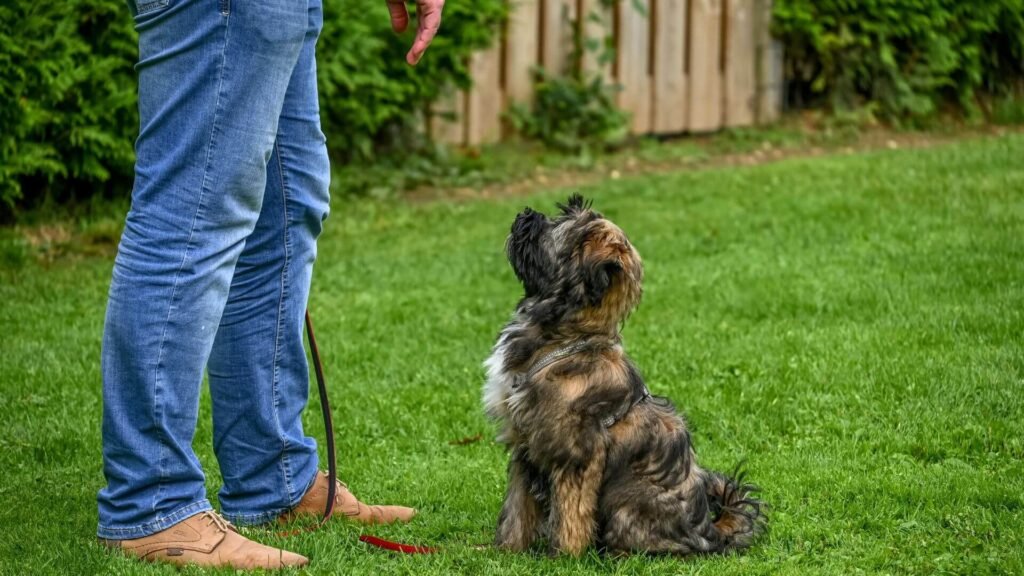
Yes, slip leads can hurt a dog’s neck when they create excessive or repeated pressure.
The neck contains the trachea, muscles, nerves, and blood vessels. A tightening lead places pressure directly around this area instead of spreading it across the dog’s chest and body.
Watch for signs of discomfort during walks.
Coughing, gagging, wheezing, rubbing at the neck, or resisting the leash can indicate that your dog is having a problem with the equipment.
Sudden lunging can create even more pressure. A dog that sees a squirrel and quickly reaches the end of the leash can put significant force through the lead in seconds.
Slip leads can be useful for short-term handling, but they’re not the best choice for every dog.
The safest situations are generally those where the dog is calm, the lead is used correctly, and someone is actively supervising.
Here’s when we recommend using them:
Also Read: Best Age to Start Puppy Training
Never leave a slip lead on a dog unattended. It can catch on objects and tighten around the neck, creating a serious safety risk.
Yes, you can train a dog to walk without pulling while using a slip lead, but the goal should be loose-leash walking, not teaching the dog to avoid pressure by constantly tightening the lead.
Start in a low-distraction area where your dog can pay attention to you. Reward your dog for walking beside you, checking in with you, and keeping the leash loose.
Small treats and praise can make the desired behavior much more rewarding.
If your dog starts pulling, avoid turning the leash into a tug-of-war. Instead, stop, regain your dog’s attention, and reward calm behavior before continuing.
Over time, your dog can learn that staying near you means the walk continues and good things happen. That’s a much more useful lesson than simply learning that pulling makes the lead tighten.
Some dogs are poor candidates for slip leads because the design can place pressure on the neck when they pull or become frightened.
Slip leads are bad for:
Dogs with breathing problems or a history of neck injuries deserve particular care.
If your dog shows signs of discomfort or breathing difficulty, stop using the slip lead and consult your veterinarian.
Also Read: Signs Your Dog Needs Professional Training
Here are some alternatives we recommend. The best choice depends on your dog’s size, behavior, health, and walking habits:
Front-clip harnesses are a popular choice for dogs that pull because the leash attaches to the front of the dog’s body rather than directly to the neck.
They can help redirect a dog’s attention toward you when the dog moves ahead.
More importantly, they avoid putting the leash pressure directly on the throat.
A properly fitted harness should allow comfortable movement without rubbing behind the legs or restricting the shoulders.
Head halters fit around a dog’s muzzle and behind the head, giving the handler additional control over the direction of the dog’s head.
They can be useful for some strong or highly excitable dogs, but they require careful introduction. A dog shouldn’t suddenly be expected to wear one comfortably for a long walk.
The leash should be handled gently, since sudden leash pressure on the head can be uncomfortable. Some dogs also dislike the sensation and need gradual, positive training to accept the equipment.
Martingale collars are designed to tighten to a limited point rather than continuing to close like a traditional slip lead. They’re often used with dogs whose heads are narrower than their necks and who can potentially back out of a standard collar.
They still put pressure around the neck when tension is applied, so they aren’t automatically the best choice for a strong puller or a dog with neck or breathing concerns.
When properly fitted, though, they can provide a useful balance of security and comfort.
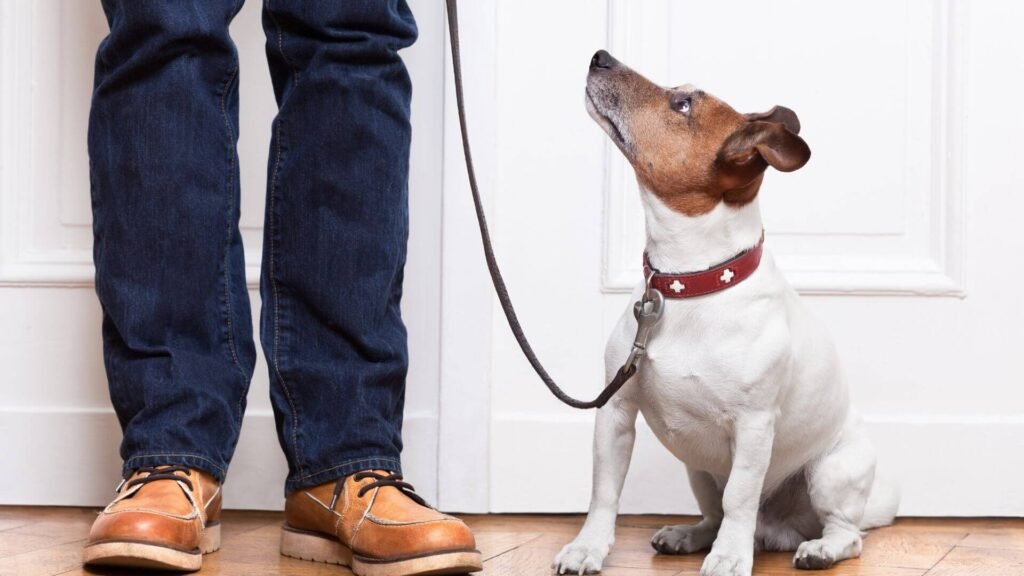
For dogs that already walk calmly, a regular flat collar paired with a standard leash is the best slip lead alternative out there.
There’s no need for complicated equipment when your dog stays beside you and doesn’t pull. A properly fitted flat collar should be snug enough to stay securely in place without being excessively tight.
If your dog starts pulling frequently, that’s a good time to focus on leash training and consider a harness rather than simply tightening the collar.
Slip leads can be bad for dogs when they’re used incorrectly, kept under constant tension, or used with a dog that’s physically or behaviorally unsuitable for them.
A slip lead isn’t automatically dangerous, but it’s also not a one-size-fits-all solution.
For a calm dog in a controlled situation, it can be practical. For a dog that pulls hard, has breathing or neck concerns, or becomes distressed when restrained, another option is usually worth considering.
For everyday walks, a well-fitted harness or collar combined with reward-based leash training is often a more comfortable approach.
Share This Post
Get training tailored to your dog, not a one-size-fits-all program. Talk to the Coastal K9 Academy team in Virginia Beach.

Coastal K9 Academy is a hands-on dog training business based in Virginia Beach/Coastal Virginia serving pet owners in Currituck County NC and Hampton Roads VA with real-world canine help driven by experience and grit. Founded by a trainer with K9 handling background, Coastal K9 Academy focuses on teaching owners how to talk dog-language, work with basic obedience to more serious behaviors, and build calmer, more reliable pups through structured sessions, board-and-train programs, day training, aggression packages, and consults - plus free evaluations to get started.
 dog trainingE-Collar Training Done Right: What a Certified K9 Handler Wants Virginia Beach Dog Owners to KnowRead More →
 dog trainingBest Age to Start Puppy Training: Setting Your Dog Up for Lifelong SuccessRead More →
 dog trainingFresh Start: Why May Is the Perfect Month to Fix Your Dog’s BehaviorRead More →
 dog trainingDog Behavior Problems: Warning Signs You Should Never IgnoreRead More →
 dog trainingTop Signs Your Dog Needs Professional TrainingRead More →
 dog trainingSpring Into Better Behavior: Why It’s the Perfect Season to Train Your DogRead More →