
Which Dog Training Program Actually Fits Your Dog and Your Schedule?
Board and train, day training and private lessons all work. They just work differently, and the right one depends on your dog, your week and how much of the training you want to do yourself. This is a plain-English comparison of the three formats Coastal K9 Academy runs in Virginia Beach, what each one asks of you, and the questions worth answering before you book anything.
What Each Program Actually Is
Most people searching for dog training programs in Virginia Beach run into the same three names and no clear explanation of the difference. Here is what each one means at Coastal K9 Academy.
Board and train
In a board and train program, your dog lives in a structured training environment and works with a trainer every day. Obedience is practiced during walks, feeding, play and rest, so the behavior becomes habit instead of something the dog does only when a treat is visible. Programs on our site run from two to four weeks depending on goals and behavior history, and every one ends with owner transition sessions so the work carries over to your house.
The American Kennel Club describes the format the same way: owners leave the dog for two or more weeks while trainers work on obedience and problem behaviors (AKC, Board and Train Programs). What that description leaves out is the part that matters most, which we cover below: what happens when the dog comes home.
Day training
Day training is the drop-off version. Your dog trains with us during the day and goes home with you each evening. You practice the same skills that night, which gives the dog a short feedback loop between the trainer’s session and real life. It is the middle option: more professional repetition than a weekly lesson, less separation than a board and train.
Private lessons
Private lessons are one-on-one sessions where the trainer coaches you and your dog together, at our facility, in your home or out on a real walk. You do the training between sessions. Progress depends on your consistency, and in return you come out of it able to handle your own dog, which no drop-off program can give you by itself.
Board and Train vs. Private Lessons
This is the comparison people ask about most, so here it is without the sales pitch. The real difference between board and train vs. private lessons is who does the first round of learning.
In a board and train, the trainer teaches the dog first and then teaches you. The dog gets a dense block of practice with someone whose timing is already good, which is why habits that have been building for years often move faster here. The catch is the handoff. The AKC’s warning is blunt: a dog taught to sit at a facility will stop sitting for you if you never reward it at home, and skills do not automatically transfer from one place to another (AKC). We agree, which is why owner transition sessions are built into every Coastal K9 board and train, and why we want every family to know in plain words what two or three weeks will and will not produce before the dog is dropped off.
In private lessons, you learn first and the dog learns through you. It is slower per week, because a trainer sees your dog for an hour and you see it for the other 167. But every skill is built in the exact places the problem happens, with the exact person the dog has to listen to. For a dog whose issues are tied to one owner, one doorway or one street, that can be the more direct route.
So is board and train worth it? For a dog with ingrained habits, a behavior modification case, or a family that genuinely does not have daily practice time right now, it usually is. For an owner who wants to understand their dog and has twenty minutes a day to put in, private lessons often get there with a stronger relationship at the end. Neither answer is wrong. The wrong move is picking a format that does not match your week.
Day Training vs. Board and Train
Day training vs. board and train comes down to two things: how much separation the dog can handle, and how much hands-on time you want.
Day training suits dogs that struggle with long stays away from home, puppies building foundations, and owners who want professional repetition but still want to be part of the process every evening. Because the dog sleeps in its own bed and practices with you the same night, the skills generalize to your home as they are being taught rather than afterward.
Board and train suits dogs whose habits need a clean break from the environment that built them, behavior cases where daily consistency matters more than anything, and families who are traveling or simply cannot carve out practice time for a few weeks. It is also the format that makes the most sense for families coming from farther out, including Chesapeake and the rest of Hampton Roads, because the dog only needs to make the trip twice.
| Board and train | Day training | Private lessons | |
|---|---|---|---|
| Where the dog sleeps | With us | At home | At home |
| Who teaches the dog first | Trainer, then you | Trainer by day, you by night | You, coached by the trainer |
| Your time during the program | Low until pick-up, then daily practice | Daily practice each evening | Daily practice between sessions |
| Usually the best fit | Ingrained habits, behavior cases, limited time | Busy owners who still want hands-on time, puppies | Owner-specific issues, people who want to learn handling |
| Where it falls short | Handoff fails if home practice stops | Needs a workable drop-off schedule | Slow if practice is inconsistent |
How to Choose, and What to Ask Any Trainer
1 | Name the actual problem“My dog is crazy” is not a training goal. Pulling on walks, bolting through doors, lunging at other dogs and ignoring recall are four different problems, and they do not all need the same format. Write down the two behaviors that would change your life if they were fixed. |
2 | Be honest about your weekEvery format needs owner practice eventually. The question is when. If you cannot find fifteen minutes a day right now, a program that depends on daily lessons will stall, and that is not a failure of the dog. |
3 | Consider the dog in front of youAge, temperament and how the dog handles separation all matter. A nervous dog may do better going home each night. A dog with years of rehearsed habits may need the full reset that living in structure provides. This is exactly what an evaluation is for. |
4 | Ask what happens after the programThe AKC advises asking any facility how it will teach you the cues and techniques the dog learned, and to be wary of anyone who guarantees results. Ask us the same question. The weeks after a program are where it is won or lost, which is why owner transition sessions are part of every Coastal K9 board and train. |
5 | Ask about methods and equipment, in writingYou should know how your dog will be trained and what will be on its neck before you hand over the leash. Coastal K9 uses a balanced approach, explained in our post on how we use e-collars responsibly, and we will walk you through it on the phone. |
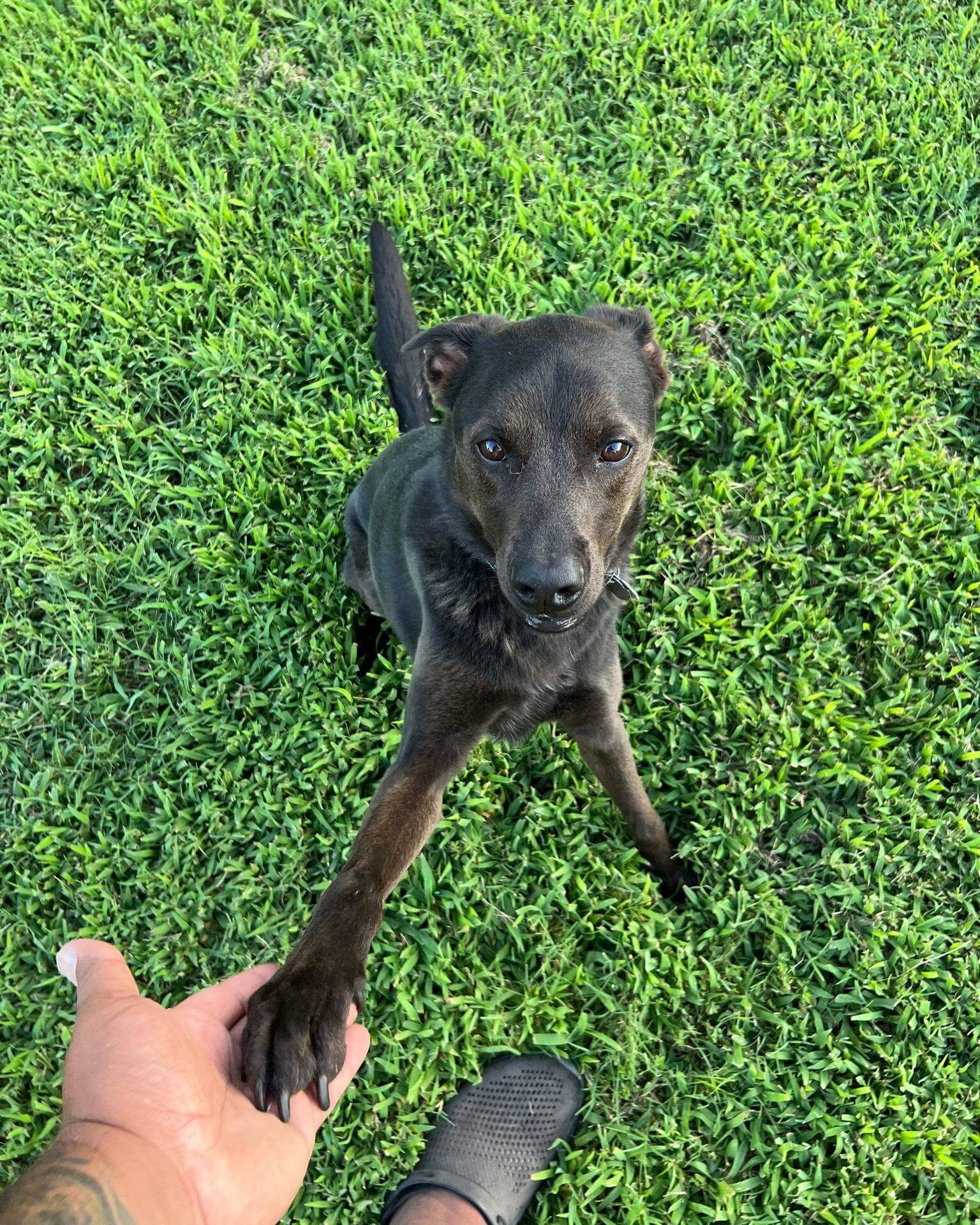
One more honest note. Group classes are not a fourth version of the same thing. They are where a dog learns to focus around other dogs and people, and they are a strong follow-up to any of the three programs above. One AKC trainer puts her ideal class at seven or eight dogs so each team still gets attention (AKC, Choosing a Training Class), which is a fair benchmark to ask any school about.
Coastal K9 Academy was founded by Josh Avila, a former Virginia Beach Sheriff’s Department K9 handler, and we would rather look at your dog than sell you a package. If you are deciding between formats, a short phone call with no pressure usually settles it.
Common Questions About Choosing a Program
What is board and train for dogs, in simple terms?
Is board and train worth it compared to private lessons?
Which is faster, day training or board and train?
Can I combine programs?
Do you offer private lessons in my home?
Not Sure Which Program Fits?
Tell us about your dog and your week. Coastal K9 Academy builds programs tailored to your dog, not a one-size-fits-all program, and we will tell you honestly which format makes sense, even if it is the simplest one.