
no judgment here
Aggressive Dog Training in Virginia Beach, VA
A dog that growls, snaps, or bites puts your family and everyone nearby at risk, and living on guard is exhausting. Our aggressive dog training in Virginia Beach begins with an in-person assessment, so the plan is built on what your dog actually does. Josh Avila, a former Virginia Beach Sheriff’s Department K9 handler, will tell you straight what he sees and what it will take. We work with owners in Virginia Beach, Chesapeake, Kempsville, and Hampton Roads. Call (757) 831-3625 to book an assessment.

Calmer days ahead
Assessment
In person, before any plan
2 to 4 weeks
Board and train available
Insured
Licensed and bonded too
Calm Handling, Captured on Camera
Frames from Coastal K9’s own training videos. No stock photos, just real dogs learning to settle with Josh.
Worried about how your dog reacts?
Every aggression case starts with an in-person assessment.
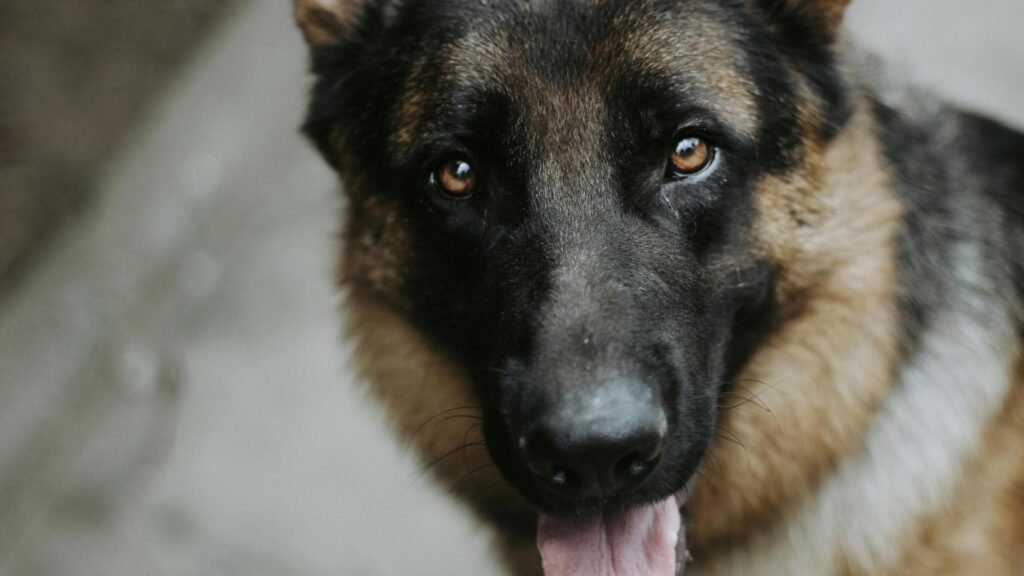
Read the signs early
Aggressive Dog Training Starts With an Honest Assessment
Aggression rarely comes out of nowhere. Most dogs warn first with a hard stare, a stiff body, a lifted lip, or a low growl. Those signals usually come from fear, stress, or confusion, not plain meanness. Because the cause changes the plan, Josh meets your dog in person before recommending anything. Guessing over the phone is not safe for you or your dog.
Some cases need a veterinarian or a veterinary behaviorist first, especially when pain or a sudden change is involved. If that describes your dog, we will say so plainly rather than start the wrong kind of help.
Growling or snapping when touched or approached
Guarding food, toys, beds, or people
Lunging or biting at other dogs
Stiffening and staring before an outburst
Our process
From First Assessment to Long-Term Maintenance
Every aggressive dog follows a plan built around its triggers, history, and household. The steps below show the general path, though your dog sets the pace. Some dogs move quickly through the early stages. Others need more time at each step, and we would rather go slowly than push a dog past what it can handle.
Safety comes first at every stage. That can mean gates, crates, or a leash indoors while the training does its work. Good management keeps everyone safe and stops your dog from practicing the behavior we are trying to change.
Assessment first
For every aggression case
Step 1
In-Person Assessment
Josh meets your dog, watches its body language, and learns the history behind each incident.
Step 2
Safety and Management
We set up routines and tools at home so your dog stops rehearsing the behavior while training begins.
Step 3
Behavior Modification
Your dog learns calm replacement choices around triggers, at a distance and pace it can handle.
Step 4
Coaching and Upkeep
You learn to read warning signs and handle your dog so progress holds long after sessions end.
know the difference
Reactive or Aggressive? Why It Matters
Reactivity and aggression can look the same at the end of a leash, but they are different problems with different plans. Getting the label right is the first job of the assessment.
Reactivity
A big reaction to a trigger, like barking and lunging at other dogs or bikes, usually driven by fear, frustration or excitement. Most reactive dogs have no real intent to harm. If that sounds like your dog, see our reactive dog training page.
Aggression
Behavior meant to warn off or harm: growling, snapping or biting, often with a hard stare or stiff body first. It needs an in-person assessment, careful management at home, and sometimes a vet visit before training starts.
Where they overlap
A reactive dog pushed too close, too often, can escalate. That is why we never flood a dog with its trigger, and why we build distance and calm before anything else.
How we tell them apart
Josh watches your dog’s body language around its triggers and asks about every incident: who, where, what happened right before, and how it ended.
What we work on
Dog Aggressive Toward Other Dogs, People, or Its Own Family
Aggression shows up in different places, and each one needs its own approach. A dog aggressive toward other dogs on walks is a different case from a dog that bites when someone reaches for its bowl. We sort out the who, where, and why before choosing a method, then build the work around the situations you face most.
Resource guarding training is a common part of this work. We teach your dog that people near its food or toys are not a threat, and we show you how to keep everyone safe while that trust builds.
Dog to dog aggression
Resource guarding
Biting family members
Growling when handled
Aggression toward visitors
Fear based snapping
Leash aggression on walks
Multi-dog household tension

by situation
Types of Dog Aggression We Work With
Each type of aggression has its own signs and its own starting point. Here is how we approach the ones we see most.
Dog-to-dog aggression
Signs: stiffening, staring and lunging at other dogs, or fights at the park. We start at a distance where your dog can stay calm, reward calm choices, and close the gap slowly.
Resource guarding
Signs: freezing, growling or snapping over food, toys, beds or people. We manage the setup so nobody gets bitten, then teach your dog that people near its things bring good news, not loss.
Biting family members
Signs: bites during handling, waking, or tight spaces. We map every incident, set up safety rules at home right away, and coach each family member on what to avoid.
Aggression toward visitors
Signs: barking, charging or nipping at guests. Management comes first, like a crate or gate when people arrive, then calm greetings at a distance your dog can handle.
Fear-based snapping
Signs: tucked tail, backing away, then snapping when cornered. We never force contact. Confidence builds with small, rewarded steps and plenty of escape room.
Leash aggression on walks
Signs: explosive reactions to dogs or people while leashed. We sort out reactivity from true aggression, then build distance, focus and a calm way to pass triggers.
Multi-dog household tension
Signs: fights between dogs that live together. We separate and manage first, find what sets the fights off, then rebuild structure so each dog knows the rules.
Growling when handled
Signs: growling at the vet, during grooming, or when touched. Growling is a warning, so we never punish it. We build comfort with handling one small step at a time.

Josh Avila, owner and trainer
Who you will work with
An Aggressive Dog Trainer With Real K9 Experience
When your dog’s behavior is a safety issue, experience matters more than promises. Josh Avila spent his law enforcement years handling K9s for the Virginia Beach Sheriff’s Department, and those dogs had to listen under real pressure. He founded Coastal K9 Academy in 2020 to bring that same calm, clear handling to family dogs.
Josh is honest about what training can and cannot do. He coaches you through every step, so you understand your dog and know exactly how to handle it on your own when he is not around.
Former Virginia Beach Sheriff's K9 handler
Founder and lead trainer at Coastal K9 Academy
Fully licensed, bonded, and insured
Discount for military and public service
From our clients
Owners Who Got Their Dogs Back on Track
★★★★★
“Thank you for your training of Shadow. He does not run the house anymore. And no biting family.”
Antoinette G.
★★★★★
“He’s great about keeping us informed with development and including my wife and I in the trainings so we can continue to work with Diesel at home. He’s friendly and easy to talk to, he’s the only person we trust with our dogs (more than even most family).”
Mike R.
★★★★★
“I found the most beneficial part of the training was me learning how to correctly read and communicate with my dog, which has better helped me become a better dog owner!”
Francis C.
before and after
One Dog's Story: Shadow
The problem: Shadow was running the house and biting family members.
The result: in his owner’s words, “He does not run the house anymore. And no biting family.”
Based on a public Google review from Antoinette G.
programs and tools
Program Options and How We Train
Every aggression case starts with the in-person assessment. After that, the plan usually runs through one of two programs.
Private lessons
One-on-one sessions at our facility or in your home, with you handling your dog. A good fit when the problem happens in your house or around your family. The number of sessions depends on the case, and Josh gives you an estimate after the assessment.
Board and train
Two to four weeks of daily structure at our Virginia Beach facility, followed by coaching so the work carries over at home. Whether it suits your dog depends on the assessment.
Tools we use
Management tools like gates, crates and a leash indoors; rewards for calm choices; and clear, fair corrections when needed. For some dogs that includes a low-level remote collar, which Josh fits and teaches. He explains every tool before it is used on your dog.
What we will not do
We will not promise a cure, and we will not push a dog past what it can handle. Results depend on the cause, the dog’s history, and how consistently the household follows the plan.
what to do today
Keeping Everyone Safe Before Training Starts
Until your dog’s assessment, the goal is simple: no new incidents. These steps keep people and dogs safe and stop your dog from practicing the behavior.
Avoid known triggers
If your dog reacts to visitors, other dogs or handling, change the routine so those moments do not happen for now. Fewer incidents mean an easier start.
Use gates, crates and leashes
Baby gates, a crate, or a leash on your dog indoors give you control without a fight. Keep kids and guests separated from the dog until there is a plan.
Do not punish growling
A growl is a warning. Punishing it can teach a dog to skip the warning and bite. Calmly create space instead, and write down what happened right before.
Know when to call a vet
If the aggression started suddenly, your dog seems sore, or its health has changed, see your veterinarian first. Pain is a common cause of new aggression.
where clients come from
Aggressive Dog Help Across Hampton Roads
Owners bring us aggression cases from all over Virginia Beach, from Kempsville and Princess Anne to Great Neck and the Oceanfront, and from neighboring cities. Assessments and facility programs happen at 2608 Horse Pasture Rd, Unit 103, Virginia Beach. Live outside Virginia Beach? See our pages for Chesapeake, Norfolk, Kempsville, and the rest of our service areas.
Straight answers
Aggressive Dog Training Questions
What owners in Virginia Beach and Chesapeake ask before bringing us an aggressive dog.
Worried about a bite?
Call before the next incident. We start with an in-person assessment and tell you plainly what training can and can’t change.
- Mon to Sat, 8 AM to 5 PM
- Licensed, bonded and insured
- Military and public service discount
Can an aggressive dog be trained?
Many aggressive dogs can learn better habits and become much safer to live with, but no honest trainer can promise a cure. Results depend on the cause, the dog’s history, and how consistently the household follows the plan. The in-person assessment tells us what is realistic.
Do you offer board and train for aggressive dogs?
Sometimes. Board and train runs two to four weeks at our Virginia Beach facility and gives a dog steady daily structure. Whether it suits an aggressive dog depends on the assessment. Owners are always coached afterward so the work carries over at home.
How does resource guarding training work?
We start by managing the setup so nobody gets bitten, then slowly change how your dog feels about people near its food, toys, or space. You learn what to do and what to avoid, like reaching in to grab items away.
My dog is aggressive toward other dogs. Is that reactivity?
Not always. Reactivity is a big reaction to a trigger, often from frustration or excitement, while aggression involves real intent to warn off or harm. The two can look alike on a leash. Josh will tell you which one you are dealing with after seeing your dog in person.
When should I see a vet before training?
If the aggression started suddenly, your dog seems sore, or something about its health has changed, see your veterinarian first. Some cases also need a veterinary behaviorist, and that referral comes before any training plan.
How much does aggressive dog training cost?
Every plan is built around your dog after the assessment, so the price depends on the program and how much work the case needs. Call (757) 831-3625 and Josh will walk you through the options. Military and public service households get a discount, and All Pet financing is available.
How long does aggressive dog training take?
Longer than most behavior work, because safety comes first and your dog sets the pace. Board and train runs 2 to 4 weeks, and private lessons continue for as long as the case needs. Josh gives you a realistic estimate after the assessment.
Can a dog with a bite history be trained?
Often, yes, though no honest trainer can promise a cure. The in-person assessment looks at each bite, what led up to it, and your household, and tells us what is realistic and whether a vet should be involved first.
My dog is aggressive toward children. What should I do?
Keep the dog and children separated with gates, crates or a leash until there is a plan, and never leave them together unsupervised. Then book an in-person assessment so Josh can see what is going on.
Does my dog need a muzzle?
Some dogs do, especially during vet visits or early training. A properly fitted basket muzzle, introduced slowly with treats, is a safety tool, not a punishment. Josh will tell you after the assessment whether your dog needs one.
Do you work with all breeds?
Breed does not decide whether we can help. Each dog’s history, triggers and household matter far more, and the assessment is where we find that out.
Do you come to the home?
Private lessons can be held in your home, which is often where the problem is easiest to see. Josh will recommend where to meet after you describe what has been happening.
Take the first step
Book Your Dog's Assessment
Tell us what has been happening and when it started. We will set up an in-person assessment and give you an honest next step. Families reach us from Virginia Beach, Chesapeake, Kempsville, and across Hampton Roads.