
Walks can feel easy again
Reactive Dog Training in Virginia Beach, VA
Does your dog bark, lunge or spin the second another dog or a stranger comes into view? Our reactive dog training in Virginia Beach starts at a distance where your dog can still think, teaches a calmer habit, and closes the gap one step at a time. Josh Avila, a former Virginia Beach Sheriff’s Department K9 handler, leads every plan and coaches you on the leash too. We help owners in Chesapeake, Kempsville and across Hampton Roads. Call us and tell us what your walks look like right now.

Calm pass, good boy
Ex-K9 handler
Virginia Beach Sheriff's Dept
1 on 1
Private lessons at your pace
2 to 4 weeks
Board and train option
What Calm Looks Like Out in Public
Pulled from Coastal K9’s own videos: everyday walks and focus work, not staged stock shots.
How the work unfolds
The Stages of Leash Reactivity Training
Leash reactivity training follows a clear order, and we never skip ahead. First we learn where your dog’s threshold sits, the point where noticing a trigger turns into exploding. Training happens just outside that line, where your dog can still take a treat, look at you and follow a cue. Close enough to learn, far enough to stay in control.
We move closer only when your dog is relaxed at the current distance. If a session goes badly, we back up a step and rebuild. That patience is what makes the progress hold on real streets.
Distance first
Closer only when your dog is ready
Step 1
Find working distance
We spot how far away a trigger can be while your dog still notices it, eats and listens to you.
Step 2
Teach a better habit
Your dog learns to turn and check in with you, and that choice pays far more than a lunge does.
Step 3
Close the gap slowly
Each small step closer comes only after a relaxed session. A rough day means we back up.
Step 4
Real walks, real skills
We practice on actual routes while you learn turns, spacing and timing that keep things smooth.
What sets your dog off
Common Triggers: When Your Dog Lunges at Other Dogs or Barks at People on Walks
Most reactive dogs have one or two big triggers and a handful of smaller ones. A dog lunges at other dogs out of frustration, fear or pure over-excitement, and the leash takes away the option to walk away or say hello. Knowing exactly what starts the reaction tells us where to begin.
Plenty of owners also tell us their dog barks at people on walks, at bikes rolling past, or at the front door. Each trigger gets its own working distance and its own plan, so the plan fits what your dog actually reacts to.
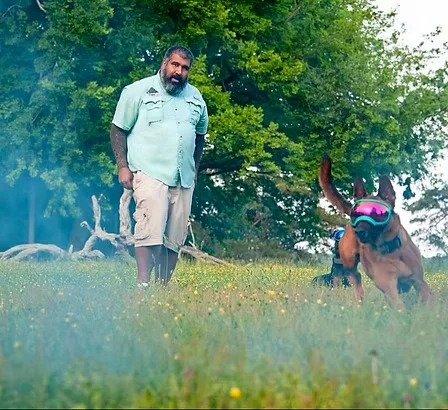
Eyes on me, not them
Other dogs on leash, across the street or behind a fence
Joggers, walkers and strangers heading straight toward you
Bikes, skateboards and scooters rolling past fast
Visitors at the door and dogs passing by the front window
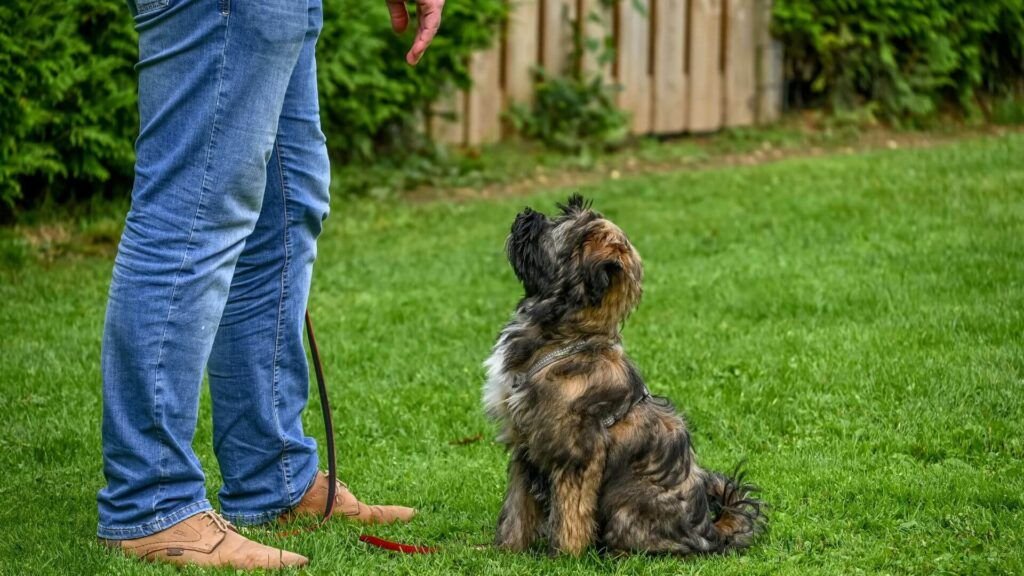
Two different problems
Reactivity vs Aggression: Why the Difference Matters
Reactivity is a big, loud reaction to a trigger, usually driven by frustration, fear or too much excitement. It looks scary, but it is not the same as aggression. Some reactive dogs greet other dogs just fine off leash. Aggression is a separate concern, and it needs an in-person assessment before any training plan is set.
If a vet or a veterinary behaviorist should see your dog before any training, Josh will tell you. If pain or a sudden change in behavior might be involved, a vet visit comes before training. Getting the label right keeps your dog, and everyone around him, safe.
Reactivity is often frustration, fear or over-arousal
Many reactive dogs are relaxed when off leash
Any bite or attempted bite calls for an assessment
Sudden behavior changes should start with your vet
From local dog owners
What Owners Say About Reactive Dog Training
★★★★★
“Absolutely a wonderful difference in our Gracie and us after Coastal K9(Josh) worked on her reactivity.”
Kathryn J.
★★★★★
“Before my Irish Setter Doodle, Bennie, completed his three week camp, I had dreaded every moment walking and exercising my dog! He was reactive to motorcycles, golf carts, UPS trucks, electric bikes, skateboards, cats, squirrels, deer. After completing the training our daily lives are great.”
Stephanie H.
★★★★★
“Their expertise, patience, and genuine love for dogs have transformed my pet’s behavior. Every session is fun, informative, and tailored to my dog’s specific needs.”
Rafael M.
before and after
One Dog's Story: Bennie
The dog: Bennie, a one year old Irish Setter Doodle who was stronger than his owner.
The problem: reactive to motorcycles, golf carts, delivery trucks, electric bikes, skateboards, cats, squirrels and deer.
The program: a three week camp.
The result: in his owner’s words, “Bennie obeys all commands on or off leash. His recall is excellent. Our connection has improved.”
Based on a public Google review from Stephanie H.
the why behind it
Why Dogs Become Reactive
Reactivity is a dog’s way of coping with something it cannot handle on a leash. Most cases come from one or more of these.
Fear
The dog wants the scary thing to go away, and barking and lunging seem to work, because the other dog or person usually keeps walking.
Frustration
Social dogs who want to say hello but cannot, because the leash holds them back. The frustration boils over into noise and lunging.
Under-socialization
Dogs that missed calm exposure to dogs, people and traffic as puppies can find everyday sights overwhelming as adults.
A past incident
One bad encounter, like being rushed by an off-leash dog, can teach a dog to strike first. Rebuilding trust takes time and distance.
your first visit
What the First Assessment Looks Like
Every reactive dog plan starts with an assessment, so we know exactly what we are working with.
Where it happens
At our Virginia Beach facility on Horse Pasture Road, or as a private lesson at your home. Josh will recommend which fits after your call.
What Josh watches
How your dog notices triggers, how far away it can stay calm, what it does on a loose leash, and how you currently handle the leash.
What you leave with
A clear picture of whether this is reactivity or something else, your dog’s starting distance, and a plan with the program that fits.
programs and pricing
Which Program Fits Your Reactive Dog?
Most reactivity work starts with private lessons, because sessions move at your dog’s pace. Here is how the two main options compare.
Private lessons
Best for: most reactive dogs, and owners who want to learn the handling themselves. Sessions are one-on-one at our facility or at your home, and the number depends on your dog.
Board and train
Best for: households that want more daily repetition. Your dog spends 2 to 4 weeks with us, and owner sessions make sure the new habits carry over to your walks.
Pricing
Every plan is built around your dog, so the price depends on the program and how much work your dog needs. Call (757) 831-3625 for options.
Discounts and financing
Military and public service households get a discount, and financing is available through All Pet if you want to spread the cost.
how we train
Tools and Methods for Leash Reactivity
Owners of reactive dogs want to know exactly how we work. Here it is plainly.
Distance and timing
The main tool is distance. We train just outside your dog’s threshold, reward calm choices, and move closer only after a relaxed session.
Rewards and clear communication
We use balanced training: rewards for looking at you and passing calmly, and clear, fair corrections when needed, so your dog gets a clear yes and no.
Leash handling for you
Much of the work is teaching you: when to turn, how to create space, and how to keep the leash loose so tension does not add to the pressure.
Remote collars, only when they fit
For some dogs a low-level remote collar is part of the plan, used only for a cue your dog already understands. Plenty of reactivity plans never need one, and Josh explains any tool before it is used.
where it gets hard
Reactive Dog Training Around Virginia Beach
Leash reactivity shows up where space is tight and triggers come fast. These are the places owners tell us are hardest, and how we use them in training once your dog is ready.
The Oceanfront Boardwalk
Bikes, crowds and dogs in a narrow lane. It is a late-stage goal, never a starting point. In summer, dogs may use the Boardwalk on a leash from 6 a.m. to 7 p.m., and the city’s beach rules list the details.
Mount Trashmore Park
Open lawns give you room to work at a distance from joggers, kids and other dogs, then close the gap as your dog copes. Virginia Beach requires a leash in city parks.
First Landing State Park
Trail walks mean dogs and hikers appearing around bends. State parks require a leash no longer than six feet, which makes good leash skills a must. See our First Landing walking guide.
Sidewalks and apartment hallways
Neighborhood sidewalks and building hallways leave little room to turn away. We teach quick U-turns, a sit behind you, and calm passes so tight spaces stop being a crisis.
Keep reading or compare
Programs and Guides for Reactive Dogs
Private lessons are where most reactivity work starts, because the sessions move at your dog’s pace. If your household wants more daily repetition, ask about board and train. These guides and related services can help you decide.

Private Lessons
One-on-one sessions built around your dog’s triggers, with coaching on your own leash handling.

Board and Train
Two to four weeks of structured work at our facility, plus owner sessions so the habits carry over.
Aggressive Dog Training
Bites, attempted bites or guarding? Start with an in-person assessment instead.

Why Dogs Bark and Lunge
Josh explains leash reactivity, threshold work and what to do on crowded winter routes.
Straight answers
Reactive Dog Training FAQs
These are the questions we hear most from owners of reactive dogs around Virginia Beach.
Still have questions about reactivity?
Describe your dog’s triggers on the phone: other dogs, bikes, people at the door. We’ll suggest a first step.
- Mon to Sat, 8 AM to 5 PM
- Board and train or private lessons
- Discount for military and public servants
Is my reactive dog aggressive?
Not necessarily. Reactivity is a strong reaction, often from frustration, fear or over-excitement, and it is not the same thing as aggression. Aggression is its own concern. If your dog has bitten or tried to, we start with an in-person assessment, and Josh will tell you if a vet or veterinary behaviorist should be involved first.
Why does my dog lunge at other dogs only when he is on a leash?
The leash takes away his choices. He cannot curve away, sniff or greet the way he normally would, and the tension on the line adds to the pressure. That mix can turn excitement or nerves into barking and lunging, even in a dog who plays nicely off leash.
How long does leash reactivity training take?
It depends entirely on your dog, the trigger and how often you practice. Reactivity usually takes longer to fix than plain leash pulling. We would rather be honest about that than promise a quick result, and we will show you what steady progress looks like along the way.
Should I let my reactive dog meet other dogs to get used to them?
Not yet. Forced greetings on leash tend to make reactivity worse. Calm, controlled exposure at a distance your dog can handle, guided by a trainer, works better. Greetings can come later, once your dog can stay relaxed near other dogs.
My dog barks at people on walks. Can training help with that too?
Yes. People, bikes and joggers are common triggers, and we use the same approach we use with dogs: find the working distance, teach a calmer habit and move closer slowly. One plan can cover both dog and people triggers.
How much does reactive dog training cost?
Every plan is built around your dog, so the price depends on the program and how much work your dog needs. Call (757) 831-3625 and Josh will walk you through the options. Military and public service households get a discount, and All Pet financing is available.
Can reactivity be fully fixed?
Many dogs improve a great deal, and some become calm around triggers they once exploded at. Others always need some management. We will not promise a cure, but we will show you what real progress looks like for your dog.
Can an older or rescue dog improve?
Yes. Older and rescue dogs can learn new habits, though a long history of reacting can take more repetition to change. We set goals based on your dog, not its age.
Can my reactive dog join a group class?
Usually not at first. A class puts triggers close by, so we start with private lessons and add group settings only once your dog can stay relaxed near other dogs.
What should I do on walks in the meantime?
Walk at quieter times and places, give triggers as much space as you can, and turn away early instead of pushing past. Every explosion you avoid makes training easier.
Does my dog need medication or a vet visit?
If the reactivity started suddenly, your dog seems sore, or the anxiety is severe, see your vet first. Some dogs do best with a vet or veterinary behaviorist involved alongside training, and Josh will tell you if he thinks that applies.
Ready for calmer walks?
Start Calmer Walks With a Plan
Tell us what sets your dog off and how your walks go now. We will suggest a starting point that fits your dog. Walks get easier for dogs all over Virginia Beach, Chesapeake, Kempsville, and across Hampton Roads.