
manners, not magic
Dog Behavior Training in Virginia Beach, VA
Jumping on guests, nonstop barking, a dog that panics when you leave: these habits wear a household down fast. Our dog behavior training in Virginia Beach finds out why your dog does it, then teaches a calmer choice and shows you how to keep it. We help families in Virginia Beach, Chesapeake, Kempsville, and across Hampton Roads. Your plan is shaped by Josh Avila, our owner and lead trainer and a former Virginia Beach Sheriff’s Department K9 handler. Call (757) 831-3625 and tell us what your dog is doing.

Josh on the Oceanfront Boardwalk
2 to 4 weeks
Board and train option
Same day
Day training, home by evening
Former K9
Sheriff's Dept. handler
See What a Session Really Looks Like
These are frames from Coastal K9’s own training videos, not stock photos. Real dogs, real handling, and Josh doing the work.
Want this kind of progress with your dog?
Talk to Josh about what your dog is doing and get a plan.
Sound familiar?
Dog Behavior Problems We Fix
Most behavior problems start small. A young dog jumps for attention and gets petted, so the jump sticks. A bark at the mail carrier makes the truck leave, so barking feels like it works. Over months those little wins pile up into habits that run your day. Naming the habit is the first step toward changing it.
We look at when it happens, what sets it off, and what your dog gets out of it. That tells us whether we are dealing with excitement, boredom, fear, or a simple lack of rules at home. Looking for basic obedience instead? Our dog obedience training page covers sit, down, heel and our training programs.

Calm at the door
Bolting or jumping the moment the front door opens
Barking at the window, the yard, or from the crate
Pacing, whining, or panic when you leave the house
Counter surfing, chewing, and stealing food off plates

How it actually works
Behavior Modification Training: How It Works
Dog behavior modification means changing both what your dog does and how your dog feels about the trigger. We start by watching your dog and asking about your routine. Then we teach a replacement habit, such as going to place when the doorbell rings, and reward it until it becomes your dog’s first choice. Balanced training gives your dog clear yes and no answers, so there is no guessing.
You get coached right next to your dog, because the new habit only lasts if the people at home handle it the same way. Each plan is written for your dog and your house, so no two look quite alike.
Find the trigger and the payoff behind the habit
Teach a calm replacement your dog can succeed at
Coach every person in the home on the same rules
Practice in real places, not just the training room
step by step
Our Behavior Training Process
Every behavior plan follows the same five steps. How long each step takes depends on the problem, your dog, and the program you choose.
1. Evaluation
Josh meets your dog, watches the behavior, and asks about your routine, history and goals.
2. Plan
You get a written plan for your dog and your house, with the program that fits: private lessons, day training or board and train.
3. Training
We teach replacement habits and practice them in real places. Board and train runs 2 to 4 weeks; lessons and day training spread the work over more time.
4. Owner handover
Josh coaches you and your family to handle your dog the same way, because the new habit only lasts if everyone is consistent.
5. Follow-up
If something slips, a follow-up private lesson helps tighten it back up before old habits return.
beyond the basics
More Behavior Problems We Help With
Jumping and barking are only the start. These are the other problems owners bring us most, and how we approach each one.
Separation anxiety
Pacing, howling or destruction when you leave. We build alone time in small steps, change the cues that signal your departure, and keep the plan at your dog’s pace. Severe cases may need your vet involved too.
Resource guarding
Stiffening, growling or snapping over food, toys or a spot on the couch. We start with management so no one gets hurt, then teach trades and space. If there is a bite history, it starts with an in-person assessment.
Fear and nervousness
Hiding, trembling or backing away from people, noises or new places. We never force exposure. Small, rewarded steps at a distance your dog can handle build confidence over time.
Leash pulling
Pulling makes every walk a fight. We teach a clear loose leash habit at our facility first, then practice on real sidewalks with real distractions. See our leash pulling guide.
Destructive chewing
Shoes, furniture and baseboards. We look at exercise, boredom and anxiety, give your dog better outlets, and set up the house so good choices are easy while the habit changes.
Digging
Holes in the yard usually come from boredom, heat or hunting instinct. We work on the cause, add structure and supervision, and give your dog a job that pays better than digging.
Puppy biting
Nipping hands, sleeves and ankles is normal for puppies, but it should not last. We redirect to toys and teach the household to end play calmly. See our puppy training page for more.
House-soiling
Accidents in an adult dog can be medical, so a vet check comes first. Then we rebuild a routine, use the crate or a smaller space wisely, and reward the right spot every time.
What gets better
Anxious Dog Training and Everyday Manners That Last
Anxious dog training is slow, steady work. A nervous dog does not need more pressure. It needs clear structure and small wins that build confidence. We set up situations your dog can handle, reward calm choices, and stretch the challenge only when your dog is ready. Over time the world feels less scary, and your dog stops reacting to every noise.
Some anxiety has a medical side. If we suspect that, we will honestly tell you to see your veterinarian before we go further, because training works best on a dog that feels good physically and is not hurting.
Calm greetings at the door
Quiet on cue
Settling on place
Polite leash walking
Leave it around food
Relaxed alone time
Calmer car rides
Confidence in new places

bigger problems
Aggression and Reactivity: What We Do
Some behavior problems need their own plan. Here is a short overview, with links to the pages that cover each one in depth.
Growling, snapping and biting
Aggression toward people or family members always starts with an in-person assessment, and sometimes a vet visit first. Learn more about our aggressive dog training.
Leash reactivity
Barking and lunging at dogs, bikes or people on walks is usually fear or frustration, not aggression. We build calm at a distance, then close the gap. See reactive dog training.
Dog-to-dog issues
Fights at home, at the dog park, or through the fence need careful management first. We assess both dogs and the setting before setting goals, and send bite-history cases to our aggression program.
Not sure which it is?
Many owners are not, and that is fine. Call (757) 831-3625 and describe what you see. Josh will tell you honestly which program fits, or whether a vet should look first.
Straight from owners
What Virginia Beach Owners Say About Behavior Training
★★★★★
“Tyson came back a much more structured and calm dog. He is nearly a 120 pound and very tall Rottweiler! Needless to say he is too big to be jumping up on folks. Since completing training with Josh at Coastal K9 Academy, the jumping has stopped.”
Kevin B.
★★★★★
“His techniques work! We just finished day training with Josh, and every week, I noticed huge strides in my dog’s behavior.”
Brandice H.
★★★★★
“Since we’ve completed the training, we’ve noticed vast improvements with leash pulling, recall, and overall behavior. Josh and his team have drastically helped alleviate the stress that can be associated with an adolescent Lab.”
Steve I.
Keep exploring
Related Training Services
Behavior work often overlaps with other programs. If your dog’s problem is bigger than manners, or you want more structure than weekly sessions, these pages explain the options and who each one suits best.
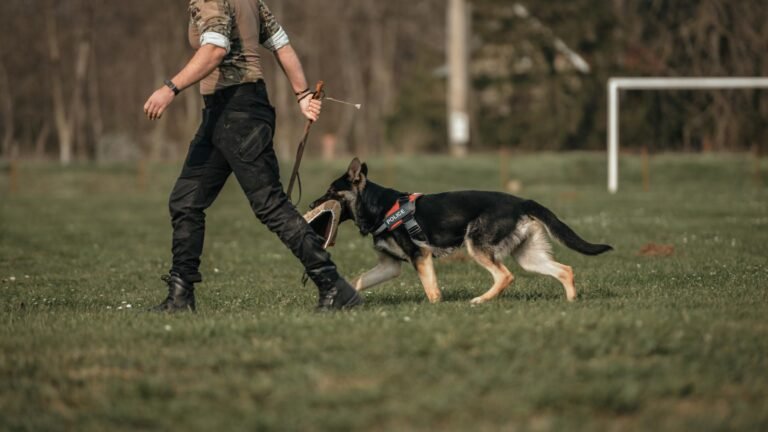
Aggressive Dog Training
For growling, snapping, or biting. Every case starts with an in-person assessment before any plan is set.
Reactive Dog Training
For dogs that bark and lunge on leash. Reactivity is its own problem and is not the same as aggression.

Board and Train
Two to four weeks of daily repetition at our facility, with owner coaching so new habits carry over.
Warning Signs to Watch
Josh’s guide to the early behavior changes owners should never brush off.
before and after
One Dog's Story: Tyson
The dog: Tyson, a nearly 120 pound, very tall Rottweiler.
The problem: jumping up on people, which is a real safety issue at his size.
The program: a 3-week board and train, then practice at home.
The result: in his owner’s words, Tyson “came back a much more structured and calm dog,” and “since completing training with Josh at Coastal K9 Academy, the jumping has stopped.”
Based on a public Google review from Kevin B.
honest answers
Dog Behaviorist or Dog Trainer: Which Do You Need?
People often search for a “dog behaviorist in Virginia Beach.” Here is the honest difference. Josh Avila is a professional dog trainer and a former Virginia Beach Sheriff’s Department K9 handler. He is not a veterinary behaviorist, and we will never call him one.
What a trainer like Josh does
Changes everyday behavior through structure, practice and owner coaching: jumping, barking, pulling, reactivity, many fear and anxiety cases, and aggression cases after an in-person assessment.
When to see your vet first
A sudden change in behavior, aggression that appears out of nowhere, signs of pain, or house-soiling in an adult dog. A medical cause has to be ruled out before training can help.
When a veterinary behaviorist fits
Severe anxiety, panic or aggression that may need medication alongside training. Veterinary behaviorists are veterinarians with specialty training, and we are happy to work alongside one.
How we decide together
After the evaluation, Josh tells you plainly what he sees. If your dog needs a vet or a veterinary behaviorist first, he will say so before any training starts.
Which Program Fits Which Problem
| Problem | Usually starts with | Why |
|---|---|---|
| Jumping, barking, counter surfing | Private lessons at home | Problems that happen in your house |
| Leash pulling, reactivity on walks | Private lessons or day training | Practice in real places with coaching |
| Several problems at once, or a busy schedule | Day training | Daily repetition with a same-day pickup |
| Habits that need a full reset | Board and train (2 to 4 weeks) | The most repetition in the shortest time |
| Growling, snapping, bite history | In-person assessment first | Then a plan from our aggression program |
Questions we hear
Dog Behavior Training FAQs
Short, honest answers to what Virginia Beach owners ask before booking behavior training.
Is your dog's problem on this list?
If not, call and describe it. Josh will tell you honestly whether training can help or whether a vet should see your dog first.
- Mon to Sat, 8 AM to 5 PM
- Led by a former Sheriff's K9 handler
- Financing through All Pet
How do I stop my dog jumping on guests?
Jumping is usually rewarded by attention, even when that attention is pushing the dog away. We teach a replacement, like sitting or going to place when the door opens, and coach your household to reward only calm greetings. Guests have to follow the same rule for it to stick.
Do you offer excessive barking training?
Yes. We first work out why the barking happens, since alert barking, boredom barking, and anxious barking each need a different plan. Then we teach a quiet cue, cut down the triggers we can, and give your dog a better job to do.
Can you help with an anxious dog?
Yes. Anxiety is one of the behavior problems we see most. Plans move at your dog’s pace, use small confidence-building steps, and include coaching for you. If the anxiety may be medical, we will point you to your veterinarian first.
Which program is best for behavior problems?
It depends on the dog and your schedule. Private lessons can happen in your home, which is ideal for door and guest problems. Day training and board and train give more daily repetition. We recommend a program after we learn about your dog.
Do you use e-collars for behavior training?
We use balanced training, and some dogs wear a remote collar as part of it. It only reinforces something your dog already understands, at a level so low it works like a tap on the shoulder. Plenty of behavior plans never need one.
How much does behavior training cost?
Every plan is built around your dog, so the price depends on the program and how much work the behavior needs. Call (757) 831-3625 and Josh will walk you through the options. Military and public service households get a discount, and All Pet financing is available.
How long does it take to fix a behavior problem?
It depends on the behavior, how long it has been happening, and how consistent the household can be. Board and train runs 2 to 4 weeks, while lessons and day training spread the work out. Josh gives you a realistic estimate after the evaluation.
Can an older dog change?
Yes. Older dogs learn new habits too, though a long-practiced habit can take more repetition to replace. We set realistic goals for your dog’s age and health.
Will the results last?
Results last when the household keeps the same rules after training ends. That is why every program includes owner coaching and a handover, and why we offer follow-up lessons if something slips.
Do you work with rescue dogs?
Yes. Rescue dogs often come with an unknown history, so we start with an evaluation and build the plan around what we see, not assumptions about the past.
Do you take dogs with a bite history?
Bite-history cases start with an in-person assessment through our aggressive dog training program. Josh will tell you honestly whether training, a vet visit, or both should come first.
Ready when you are
Get Help With Your Dog's Behavior
Call (757) 831-3625 or send us a message about what your dog is doing, and we will suggest a plan that fits your home. We train dogs from Virginia Beach, Chesapeake, Kempsville, and across Hampton Roads.